


Speler Ontwikkelingsprogramme en Strategie

Pretdae
[metaslider id=1485]
Tennis Performance Training
Ons ontwikkel ’n speler wat beter kan speel, beter kan dink, beter kan kompeteer en verantwoordelikheid vir sy of haar eie ontwikkeling kan neem.
Dit is die basis van volhoubare spelerontwikkeling by Leefstyl Tennisakademie
Development and maintenance of player’s annual plan, diet and fitness program as well as monthly/quarterly reports where necessary. Sessions planned weekly according to progress with total player profile in view.
2-4 Players in a 90 minutes session or as specifically developed, Individual / Semi Individual attention, drills and match play on a rotating basis as well as doubles.
Squad training and tournament preparation.
Opstel en bestuur van speler se jaarplan, dieet en fiksheidsprogram, asook maandelikse/kwartaallikse verslag waar nodig. Sessies word weekliks beplan volgens groei en ontwikkeling van totale spelerprofiel!
2-4 Spelers in ‘n 90min sessie of soos spesifiek ontwerp, Individuele / Semi-individuele aandag, “drills” en “matchplay” op rotasiebasis asook dubbels.
“Squad” oefening en toernooivoorbereiding.
Brons en Silwer CAP (Centre of Apprenticeship) Sentrum. Opleiding van Afrigters.


Book a coaching or performance training session
Jaarlikse LTA Dubbels Tennisfees
Junior Dubbels Tennisfees
24 September
Dankie vir almal se deelname

|
Preschoolers (Ages 0-5 Boys and 0-4 Girls or appropriate level) These young guns will be introduced to tennis with simple ball skills and coordination skills in a fun and playful manner making use of the Red (enlarged) tennis ball on a Red court. |
Beginner/Intermediate players (Ages 6-9 Boys and 5-8 Girls) Players aged 6 – 9 should mainly focus on fundamentals. As a coach and parent we would want them to start tennis and continue for as long as possible – hence the term “Play & Stay”. |
|
Intermediate players (10-12 Boys and 9-11 Girls or appropriate level) By this time these players should be able to compete within all “5 game situations” with the focus on performance instead of the outcome. |
Advanced players (13-16 Boys and 12-14 Girls or appropriate level) The following information is mostly aimed at the more experienced tennis player, participating in school events as well as local and National tournaments as well as selectively participating in International events. |
|
Advanced players (17-21 Boys and 15-20 Girls or appropriate level) This section is dedicated to the upcoming professionals. These players have worked out their annual plan (periodization) and will travel up to 25 weeks of the year competing in National and International tournaments. |
Advanced players (Male 22 and older / Female 21 and older or appropriate level) The Professional should be participating and hopefully winning ATP/WTA EVENTS. An ATP/WTA ranking of 150 or better is a good benchmark to aim for! |
|
Spectators We have also thrown in some useful tips for the die-hard tennis spectator!
|
Healthy Lifestyle / Gesonde Leefstyl Make a Booking |

Being a Better Tennis Parent – Guidelines to help the parents of young tennis players >>>
https://lifestylec.com/wp-content/uploads/2022/04/Being-a-better-tennis-parent.pdf
Dealing with bad line calls >>>
https://lifestylec.com/wp-content/uploads/2022/04/Dealing-with-bad-line-calls.pdf
Tennis Afrigtingsdienste gelewer deur Leefstyl C / Tennis Coaching Services by Lifestyle C
TSA Tournaments
Adult Training Program / Volwasse Opleidingsprogram >>>
Die Volwasse Afrigtingsprogram is goed op dreef.


Book a coaching or performance training session
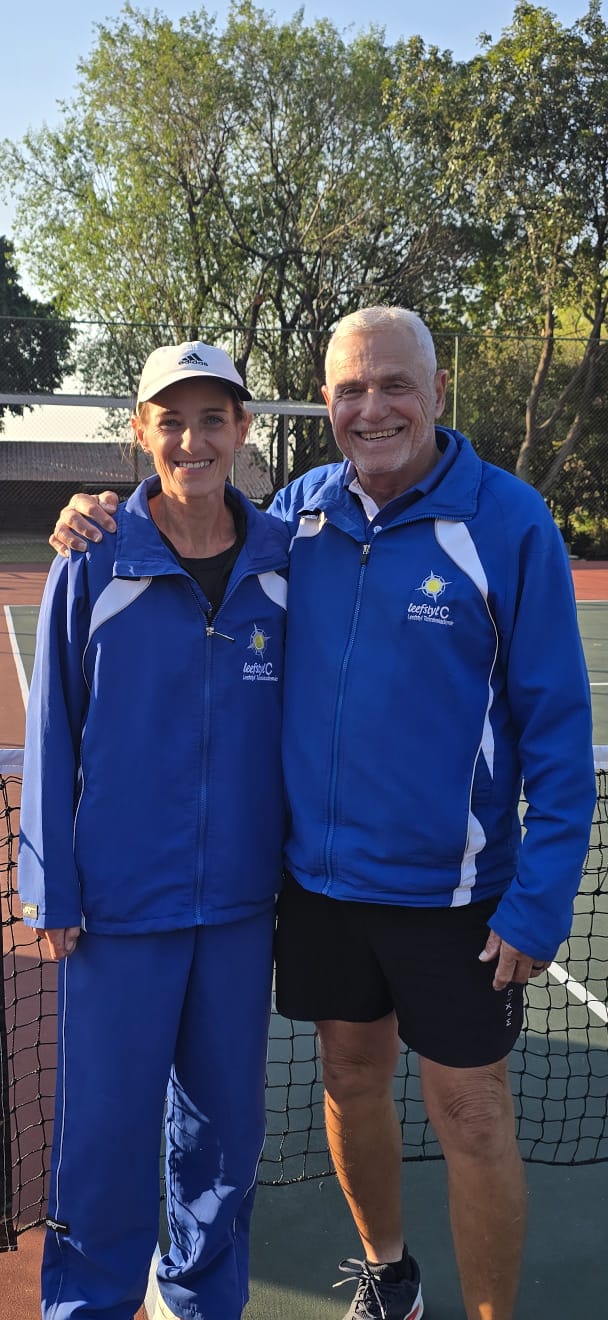
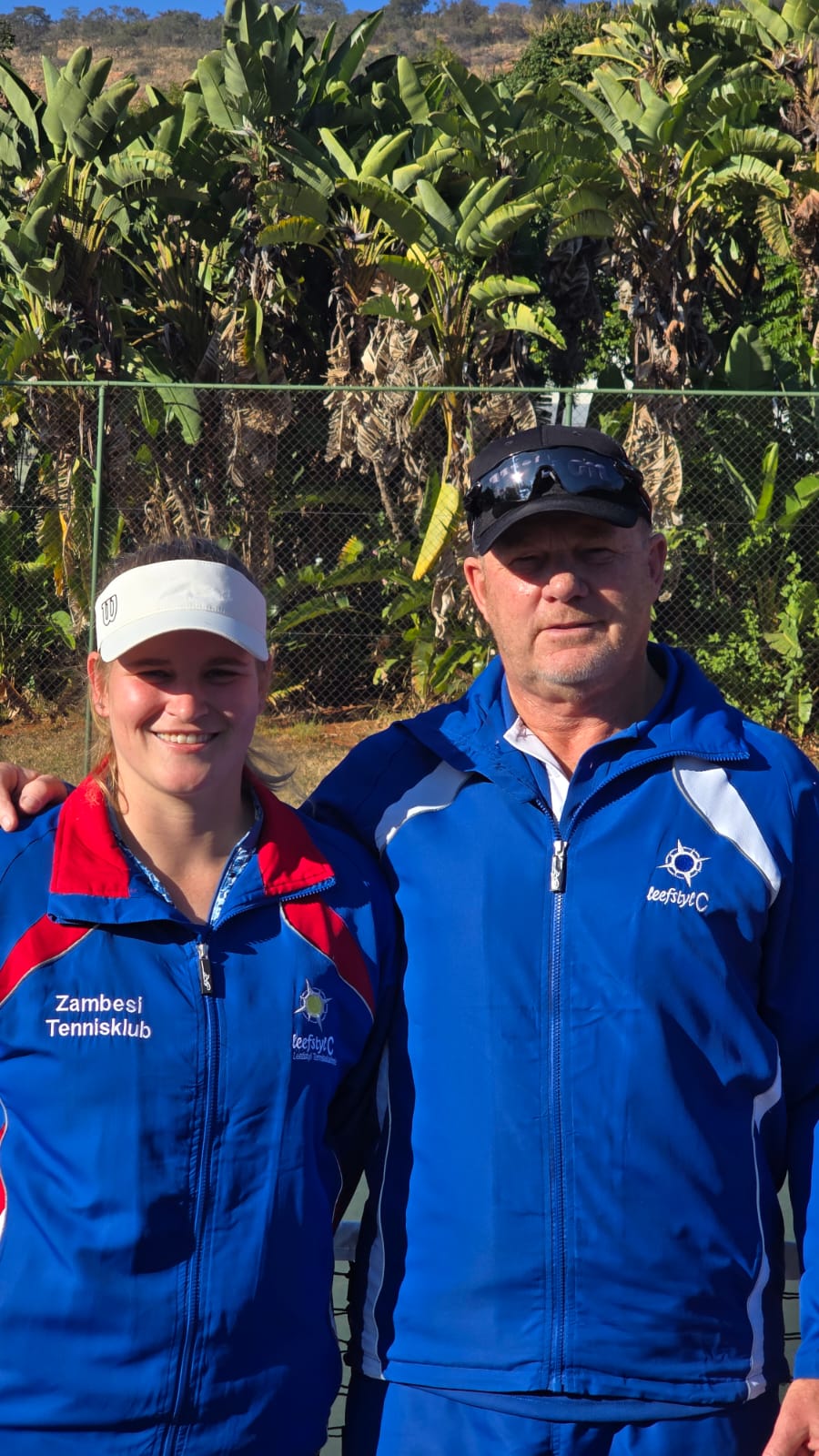


Daar is heelwat Volwassenes wat reeds op een of ander wyse deelneem aan ons programme.
Individuele en Semi-Individuele Oefengroepe word reeds met groot vreugde en sukses gedoen.
Kontak ons gerus as daar behoefte is om in te skakel.
Daar is plek in die nuut ontwerpte fiksheid gerigte oefenprogram vir volwassenes.
Volwassenes kan ook saamspeel by die squad op Dinsdagaand.
LEWENSLANGE SPELERONTWIKKELING
’n Moderne benadering tot doelgerigte tennisontwikkeling
Hoeveel tyd benodig ’n junior speler werklik?
Betekenisvolle junior tennisontwikkeling vereis nie bloot dat ’n speler soveel moontlik ure op die baan deurbring nie. Die kwaliteit, doelgerigtheid en struktuur van die oefentyd is minstens so belangrik soos die hoeveelheid ure.
As ’n algemene riglyn behoort ’n junior speler wat ernstig oor sy of haar ontwikkeling is, te mik na ongeveer 6–10 uur gestruktureerde tennis- en ondersteunende aktiwiteit per week, afhangende van ouderdom, ontwikkelingsvlak, skoolverpligtinge, fisiese ontwikkeling en langtermyn doelwitte.
’n Speler wat byvoorbeeld 12 uur lank ongefokus oefen, ontwikkel nie noodwendig vinniger as ’n speler wat 7 uur se doelgerigte en goed gestruktureerde opleiding ontvang nie.
Die belangrikste vraag is dus nie net: “Hoeveel ure oefen die speler?” nie.
Die belangriker vraag is:
«“Hoe goed word elke uur gebruik om die totale speler te ontwikkel?”»
—
Die totale speler
By Leefstyl Tennisakademie word spelerontwikkeling vanuit die beginsel van die totale speler benader.
Ons ontwikkeling fokus op die geïntegreerde ontwikkeling van:
TEGNIES
Die ontwikkeling van doeltreffende en volhoubare slagtegniek, beweging, afslaan, terughoue, grondhoue, naderhoue en netspel.
TAKTIES
Die vermoë om punte te bou, spelpatrone te herken, die opponent te ontleed en die regte besluit op die regte oomblik te neem.
FISIES
Spoed, ratsheid, koördinasie, balans, krag, uithouvermoë, mobiliteit en herstel.
TENNISKOP
Konsentrasie, selfvertroue, emosionele beheer, probleemoplossing, verantwoordelikheid en die vermoë om onder druk goeie besluite te neem.
KOMPETISIE
Die toepassing van vaardighede in wedstryde, ligas, rondomtalies, skooltennis en toernooie.
LEWENSVAARDIGHEDE
Dissipline, respek, deursettingsvermoë, verantwoordelikheid, spanwerk en ’n liefde vir tennis as ’n volhoubare leefstyl.
—
Van oefening na prestasie
Die doel van opleiding is nie om ’n speler bloot besig te hou nie.
Elke oefensessie behoort ’n duidelike ontwikkelingsdoel te hê.
Ons beweeg daarom van:
Vaardigheid → Toepassing → Besluitneming → Spelpatroon → Kompetisie
’n Speler moet uiteindelik in staat wees om dit wat hy of sy tydens oefening geleer het, selfstandig in ’n wedstryd toe te pas.
Dit beteken dat ontwikkeling progressief behoort te beweeg van:
1. Tegniese vaardigheid
Kan die speler die beweging en houkombinasie korrek uitvoer?
2. Konstandheid
Kan die speler dit herhaaldelik onder verskillende omstandighede uitvoer?
3. Taktiese toepassing
Weet die speler wanneer en waarom om die vaardigheid te gebruik?
4. Besluitneming
Kan die speler self die regte opsie kies?
5. Kompetisie
Kan die speler die besluit onder druk en in ’n werklike wedstryd uitvoer?
—
Die ontwikkeling van ’n intelligente speler
Een van die belangrikste doelwitte van moderne tennisontwikkeling is om spelers te leer dink.
Ons wil nie spelers ontwikkel wat bloot ’n reeks oefeninge kan uitvoer nie.
Ons wil spelers ontwikkel wat:
– die spel kan lees;
– hul opponent kan ontleed;
– swakhede kan identifiseer;
– hul eie sterkpunte kan benut;
– spelpatrone kan herken;
– die tempo van ’n punt kan beheer;
– kan aanpas wanneer die eerste plan nie werk nie;
– en verantwoordelikheid vir hul eie besluite kan neem.
Die afrigter se rol verander daarom geleidelik van iemand wat voortdurend vir die speler sê wat om te doen, na iemand wat die speler leer hoe om self te dink en besluite te neem.
[Plaas speleranalise hier]
Hide quoted text
—
Doelgerigte weeklikse ontwikkeling
’n Tipiese ontwikkelingsprogram behoort nie uit net een tipe oefening te bestaan nie.
Die beskikbare tyd kan oor verskillende ontwikkelingskomponente versprei word:
Tegniese ontwikkeling
Werk aan houkombinasie, beweging, afslaan, terughoue en ander spesifieke vaardighede.
Taktiese ontwikkeling
Spelpatrone, puntbou, besluitneming en die toepassing van verskillende taktieke.
Wedstrydontwikkeling
Wedstrydspel, situasies, punteaanvang, drukpunte, wedstrydsimulasies en dubbels.
Fisiese ontwikkeling
Voetwerk, spoed, ratsheid, koördinasie, krag, mobiliteit en uithouvermoë.
Tenniskop ontwikkeling
Konsentrasie, emosionele beheer, selfvertroue, roetines en hantering van foute en druk.
Kompetisie
Liga, skooltennis, rondomtalies en toepaslike toernooie.
Die verhouding tussen hierdie komponente verander namate die speler ouer en meer gevorderd word.
—
Die 6–10 uur beginsel
Die 6–10 uur per week moet nie as ’n rigiede minimum vir elke kind beskou word nie.
’n Jong beginner, ’n 12-jarige ligaspeler en ’n 17-jarige prestasiespeler het verskillende behoeftes.
Die riglyn moet dus altyd aangepas word volgens:
– ouderdom;
– ontwikkelingsvlak;
– fisiese volwassenheid;
– huidige tennisvlak;
– skoolverpligtinge;
– kompetisieprogram;
– herstelvermoë;
– spelerdoelwitte;
– en die speler se langtermyn ontwikkelingspad.
Meer is nie altyd beter nie. Beter gestruktureer is beter.
—
Van junior na prestasiespeler
Die bestaande langtermynpad van Leefstyl Tennisakademie word hiermee verder versterk.
Beginfase
Speel en ontdek
Die fokus is op pret, beweging, koördinasie, basiese balvaardighede en die ontwikkeling van ’n liefde vir tennis.
Ontwikkelingsfase
Leer en oefen
Die speler ontwikkel fundamentele tegniese en taktiese vaardighede en begin om tennis in eenvoudige wedstrydsituasies toe te pas.
Prestasie-ontwikkelingsfase
Oefen om te ontwikkel
Die speler begin meer doelgerig werk aan sy of haar individuele spelstyl, fisiese vermoëns, taktiese begrip en kompetisievaardighede.
Kompetisiefase
Oefen om te kompeteer
Die speler ontwikkel ’n meer professionele benadering tot opleiding, herstel, ontleding van prioroteite, wedstrydbeplanning en kompetisie.
Hoëprestasie
Oefen om te wen
Die opleiding word hoogs individueel aangepas. Elke aspek van die speler se voorbereiding word rondom prestasie en die speler se spesifieke behoeftes georganiseer.
—
Ons uitgangspunt
Leefstyl Tennisakademie se doel is nie om elke speler dieselfde te ontwikkel nie.
Elke speler het ’n unieke kombinasie van:
talent + geleenthede + fisiese ontwikkeling + persoonlikheid + motivering + omstandighede.
Ons doel is daarom om die speler se maksimum individuele potensiaal te ontwikkel.
’n Speler hoef nie noodwendig ’n professionele tennisspeler te word om suksesvol ontwikkel te wees nie.
Sukses kan beteken dat ’n speler:
– ’n lewenslange liefde vir tennis ontwikkel;
– skooltennis op ’n hoë vlak speel;
– ’n sterk klubspeler word;
– liga- en toernooitennis geniet;
– provinsiaal of nasionaal kompeteer;
– universiteitstennis speel;
– of uiteindelik ’n professionele loopbaan volg.
Die ontwikkelingspad word aangepas by die speler — nie die speler by ’n voorafbepaalde pad nie.
—
Ons kernbeginsel
ONS ONTWIKKEL DIE TOTALE SPELER
Nie net ’n beter voorhand nie.
Nie net ’n beter afslaan nie.
Nie net ’n speler wat meer wedstryde wen nie.
Ons ontwikkel ’n speler wat beter kan speel, beter kan dink, beter kan kompeteer en verantwoordelikheid vir sy of haar eie ontwikkeling kan neem.
Dit is die basis van volhoubare spelerontwikkeling by Leefstyl Tennisakademie.
Preschoolers (Ages 0-5 Boys and 0-4 Girls or appropriate level)
Red Court & Red Ball
 Although the Preschoolers still need to learn basic skills such as running, jumping, throwing and catching – Play tennis can be introduced at this very young age.
Agility, balance and coordination are some of the skills that can be taught, thus allowing the players to develop the required attributes in order to become a good tennis player. Speed and strength can be added at a later stage and is also a pre-requisite for tennis players.
The red ball can be rolled back and forth to each other on the red court in order to simulate a rally between two players. After this skill has been acquired, the ball can be played over the lowered net.
It depends on the player’s improvement how soon he/she will migrate to the next phase of the “Play & Stay” model.
https://lifestylec.com/tennis-equipment-toerusting-wilson/
Beginner/Intermediate players (Ages 6-9 Boys and 5-8 Girls or appropriate level)
Orange Court/Orange ball
 These players should enjoy every moment on court, improve basic physical skills (agility, balance and coordination) and also receive the necessary exposure to match play on court.

Mini-tennis is a great way to go about teaching these required skills to the young aspired tennis players. Everything these players do should be performance based. They should compete in low-key competitions at their school as well as inter-club competitions.
Beginner/Intermediate players (Ages 9-10 Boys and 8-9 Girls or appropriate level)
Green Court/Green ball
 By now the u/10’s should be competing in organized competitions within their school, province, region and also nationally with the emphasis again on performance instead of outcome.

Tennis Competition vs Tennis Training should be managed at a ratio of 10/90 to 20/80. If this is followed using the “Games-based approach” you will ensure that adequate training is followed up with competition and thus allow these players to apply their skills in the match situation.
Long Term Player Pathway Guidelines for Juniors
There are six key training models or stages along the long-term play pathway.
They are as follows:
Model/Stage Age range Focus areas
1. Active Start 0-6 years
• Develop ABC’s: Agility, Balance,
Co-ordination
• Developing ball skills and coordination skills
• Encourage participating in daily
physical activity.
2. Fundamentals 6-9 years
• Overall development of the
athlete’s physical capacities and
fundamental movement skills
• Develop ABC’s of athleticism
• Participation in many sports
encouraged
• Introduction of fun based
organised competition
• Speed, Power, Endurance are
developed by using FUN games.
3. Learn to train Male 9-12 / Female 8-11
• Intro of basic technical/tactical
skills
• Warm-up & cool-down rituals
essential: good habits!!
• Stretching, hydration, nutrition,
recovery & mental reparation
• Training to competition ratio: 80/20
*80% training (including physical
work) to 20% competition.
4. Train to train Male 12-16 / Female 11-15
• Development of aerobic
endurance
• Development of speed
• Strength and power training
• Coordination – continuing to
improve coordination
• Flexibility
5. Train to compete Male 16-22 / Female 15-21
• Learning to be a professional
• Periodisation with short and longterm goals
• Valid fitness testing is essential
• Well balanced training program
(Tennis and Fitness).
• Emphasis on long term
development over short-term results
continues to be the focus.
6. Train to win Male 22+ / Female 21+
• Living as a professional
• Correct tournament planning with
training blocks
• Training may be surface specific
• Well balanced training program
(tennis and fitness).
• With results becoming more
important, it is essential that
athletes continue to focus on
performance goals in competition.
Emphasis on maintenance during
tournaments:
• Emphasize Speed & agility
• Emphasize strength & flexibility
• Emphasize maintaining endurance.
Long Term Player Pathway Guidelines


Intermediate/Advanced players (Ages 10-12 Boys and 9-11 Girls or appropriate level)
Up until now a lot of hard work has been done by both the coach and player to acquire the basic skills needed to become a descent tennis player. It is of the utmost importance that players develop using the 5 Game situations Serve, Return, Baseline game, Approaching and Passing. This can be done by being exposed to better players on a regular basis.
At this stage basic physical training habits should also be instilled and followed in order to ensure that a sound foundation is built upon.
All 4 areas of the game need to be addressed during this phase of “Learning to train” and will look as follow:
|
Technical 1. Sound technique for all five game situations |
Physical 1. Dexterity; static and dynamic balance |
|
Tactical 1. Using serve as a weapon |
Mental 1. Must be performance based, no emphasis on the outcome |
The ratio of Tennis Competition vs Tennis Training should be 20/80 TO 30/70 depending on the level of the player.
Players should compete in local u/12 or u/14 events and will aim for NATIONAL TOP 5 – 8, REGIONAL TOP 30 – 50 and PROV Top 3 ranking although one should be very careful not to over-emphasize results and the importance of winning! This is a critical phase and age where players are often broken and decide to quit due to unrealistic expectations from either parents or even coaches.
Advanced players (Boys 13 & older / Girls 12 & older)
1. Advanced players (13-16 Boys and 12-14 Girls)
2. Advanced players (17-21 Boys and 15-20 Girls)
3. Advanced players (Male 22 and older / Female 21 and older)
Advanced players (13-16 Boys and 12-14 Girls)
The stage where players “Train to Train” is now! A professional approach is essential with the help of a tour level coach that can guide and assist the player accordingly. Players should be capable of winning tournaments ALTHOUGH the goal to perform at one’s best must be the objective.
Even more emphasis should be put on the 4 areas of tennis and will involve the following:
|
Technical 1. Variety of spin on all strokes |
Physical 1. Dexterity; static and dynamic balance |
|
Tactical 1. Serve and volley combinations |
Mental 1. Very specific goal setting |
The ratio of Tennis Competition vs Tennis Training should be 30/70 TO 50/50 depending on the level of the player.
Players should compete in local u/14 or u/16 events and will aim for AFRICA TOP 8, REGIONAL TOP 20 and PROV TOP 3. Competing in JNR ITF events that are hosted locally as well as abroad is strongly recommended. Players are also urged to participate in NAT SNR tournaments as well. A NAT JNR ranking of No1 in player’s age group should be the target with the following International rankings as an objective:
ITF JNR: 150 – 50
WTA: RANKED UP TO 800+
Advanced players (17-21 Boys and 15-20 Girls)
We have now reached the business end of this phase where a career choice has to be made and players “Train to Compete” and “Train to Win”. First we will have a look at the path players should follow while training to compete.
Not only should these players compete in local u/18 tournaments, but also school events as well as club championships. This player has become a full time professional, making provision for education and further studies and could travel up to 25 weeks per year. The player’s annual periodization is of the utmost importance in order to plan ahead and prepare for all the tournaments and events.
|
Technical 1. 2nd Serve |
Physical 1. Co-ordination and dexterity |
|
Tactical 1. Develop individual game style and intentions in all 5 game situations |
Mental 1. Very specific goal setting |
The ratio of Tennis Competition vs Tennis Training should be 50/50 TO 70/30.
Besides competing in National junior (ranked 1) and senior events (top 10) and aiming for a JNR ITF ranking of TOP 20 these players would also participate in the following events:
ITF FUTURES / ATP / WTA CHALLENGERS with rankings as follow:
ATP: TOP 300
WTA: TOP 250 – 100
Make no mistake – this is where many players fail to step up their game and compete at a high level due to the hard work and commitment that is required to be able to stay in the game.
Advanced players (Male 22 and older / Female 21 and older)
When you “Train to WIN” as a professional, Tennis Competition vs Tennis Training increases to 70/30 or 80/20.
A specific individualized prioritization for all 4 areas – Technical, Tactical, Psychological and Physical – is created for this player. The player will compete in GRAND SLAMS, the OLYMPICS, DAVIS CUP & FED CUP on a regular basis and aim to win ATP/WTA EVENTS.
The following rankings should be the goal:
ATP TOP 150
WTA TOP 150
Please keep in mind that although the above phase should be every aspiring tennis player’s dream not all players reach this level of competition due to various reasons. This is why we recommend College tennis as an important part of every player’s development.
For more on College tennis
SAT’S and contacts for University Tennis abroad
Intercollegiate Tennis Association
Varsity Tutors Free practice tests, of all levels >>>
Free web-based classroom assessment software >>>
Tips for Spectators

1. Remember to take sunscreen (at least 15 SPF) and a wide hat if it is an outdoor tournament.
2. Always take an umbrella (not too BIG!) to an event that takes place in an area prone to rain.
3. Remember your picnic basket or soft cool bag if you do not plan on buying snacks at the tournament.
4. Remember to turn the camera’s flash OFF as well as your mobile, which can be very disturbing.
5. Don’t forget your headphones if you are planning on taking a portable music player.
6. Consume as much fluids as needed if it is an outdoor event and the temperatures are soaring!
Gaan na Gesonde Leefstyl Bladsy / Go to Healthy Lifestyle Page
LCHF en KETO Leefstyle word oorweeg / LCHF and KETO Lifestyles are considered.
The Ketogenic Lifestyle Basics
What is it, pairing of food, meal plans and much more!

Gaan na Gesonde Leefstyl Bladsy / Go to Healthy Lifestyle Page
#ketopta, #ketopretoria, #leefstylCketo, #lifestyleCketo, #daniestrydomketo
Voltooi vir navraag:
[contact-form to=’daniestrydom@lifestylec.com’ subject=’Leefstyl C Leefstylafrigting’][contact-field label=’Naam en Van’ type=’name’ required=’1’/][contact-field label=’Epos’ type=’email’ required=’1’/][contact-field label=’Selnommer’ type=’text’ required=’1’/][contact-field label=’Stad en Voorstad’ type=’text’ required=’1’/][contact-field label=’Rede vir Kontak’ type=’textarea’ required=’1’/][/contact-form]
For general tennis inquiries, kindly send an e-Mail to info@lifestylec.com or contact Danie Strydom on 082 779 2431.
